Blog

Job board scraping: Build a reliable job dataset

September 15, 2026

job data, Web scraping automation, data quality, dataset design
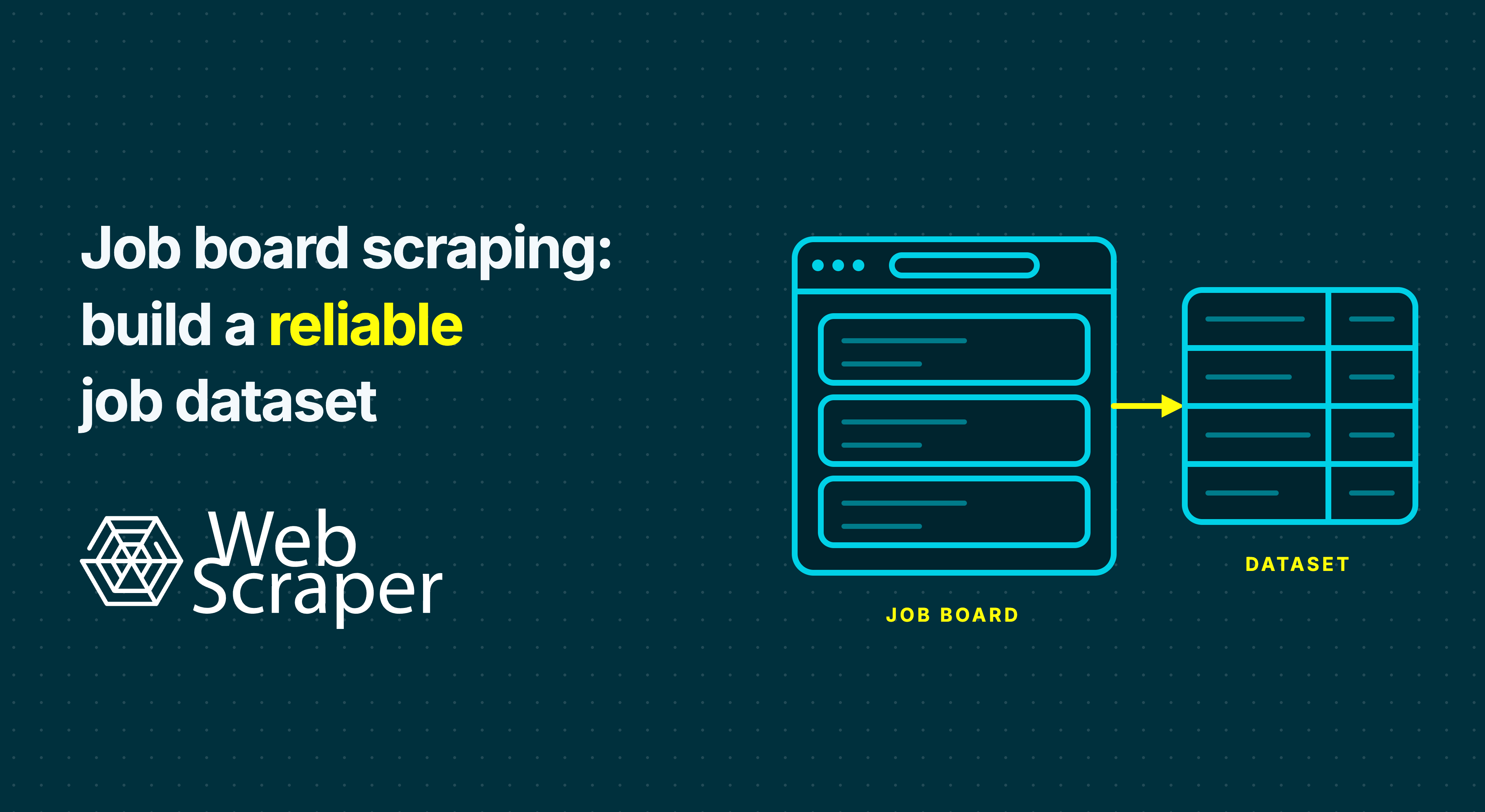
Job board scraping becomes difficult when the output must remain complete, current and explainable across recurring runs. A scraper can finish successfully and still return duplicate listings, stale vacancies, missing detail pages or records that cannot be traced back to what the source showed.

The reliable approach is to design the dataset before automating collection. Give every source listing an identity, preserve its history, normalise fields without discarding the original values, and define how a posting becomes active, updated or inactive. This guide covers permitted public job boards, company career pages and accessible applicant tracking system pages.

Continue Reading

How to build a competitor price tracking dataset

September 15, 2026

e-commerce data, product matching, Web Scraper Cloud, data quality
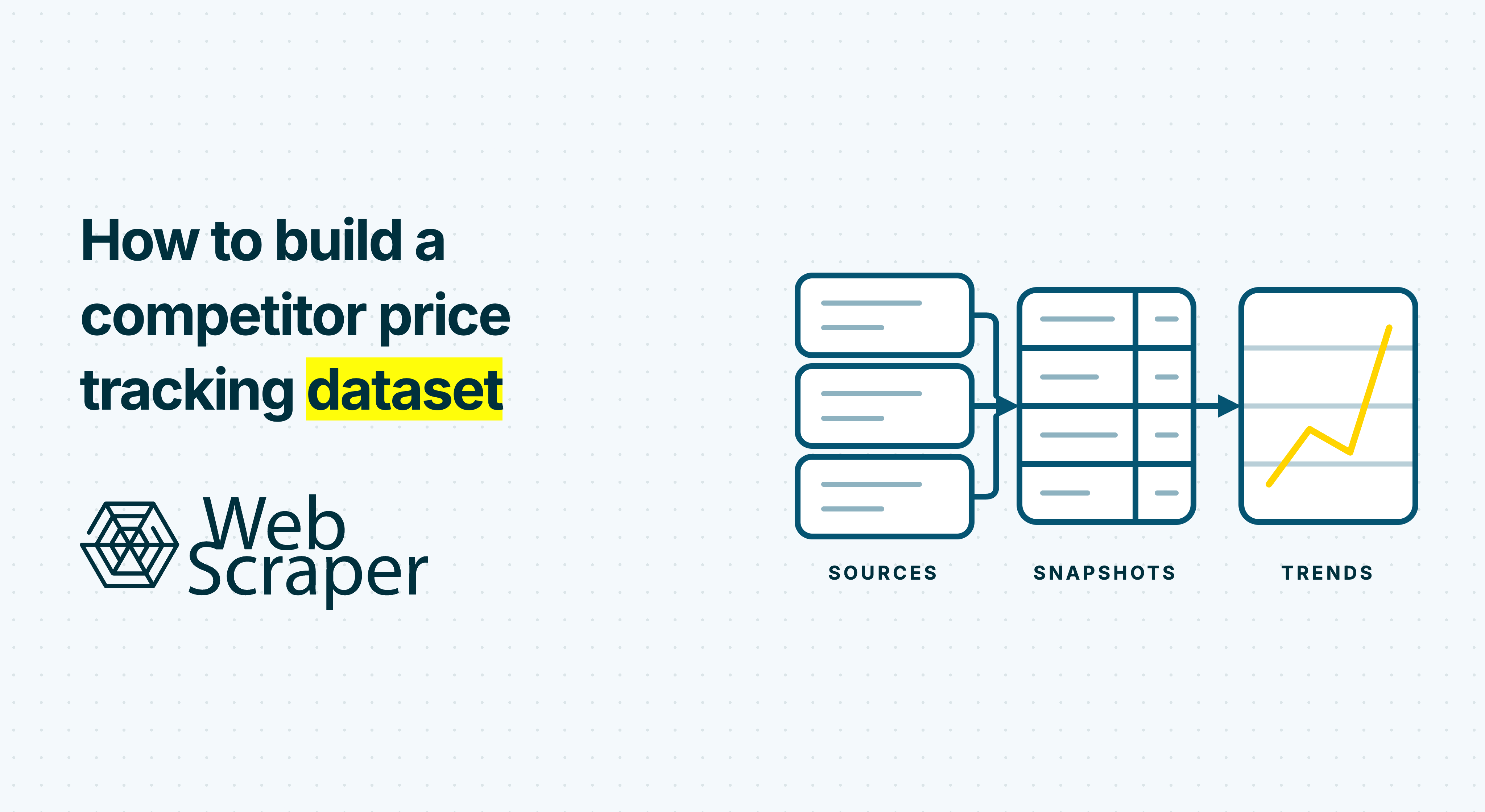
Reliable competitor price tracking starts with a data contract, not a dashboard. Each price must be tied to the correct retail listing or variant, offer conditions, market, collection time, and transformation history before it is safe to compare.

This guide shows how to build that warehouse-ready dataset for a known set of public retail stores. Web Scraper can run source-specific extraction and delivery, while your team retains control of cross-store matching, semantic normalization, acceptance rules, history, alerts, and pricing decisions.

Continue Reading

Product assortment monitoring with web scraping

September 14, 2026

data quality, web scraping, Product assortment, Competitive intelligence
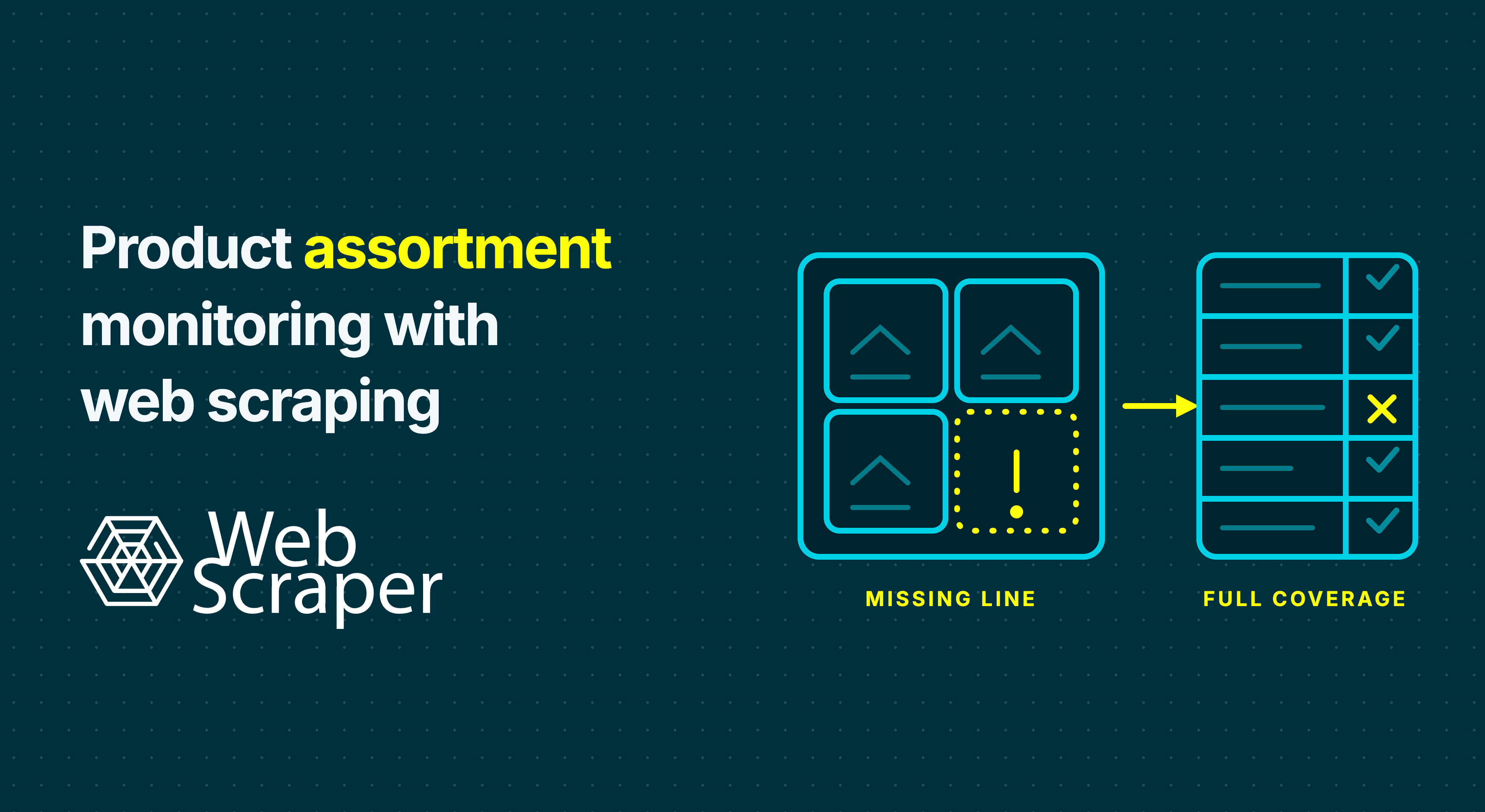
Product assortment monitoring uses recurring web scraping to track which products and variants a retailer presents, where they appear and how the range changes over time. It can reveal new listings, apparent removals, category moves and changes in variant depth across public retail and marketplace pages.

Reliable monitoring requires more than comparing two exports. The workflow needs a defined scope, stable product identities, complete snapshots and rules that distinguish a genuine delisting from an incomplete scrape.

Continue Reading

Webhooks vs polling for scraping job results

September 12, 2026

scraping automation, data quality, data pipelines, APIs
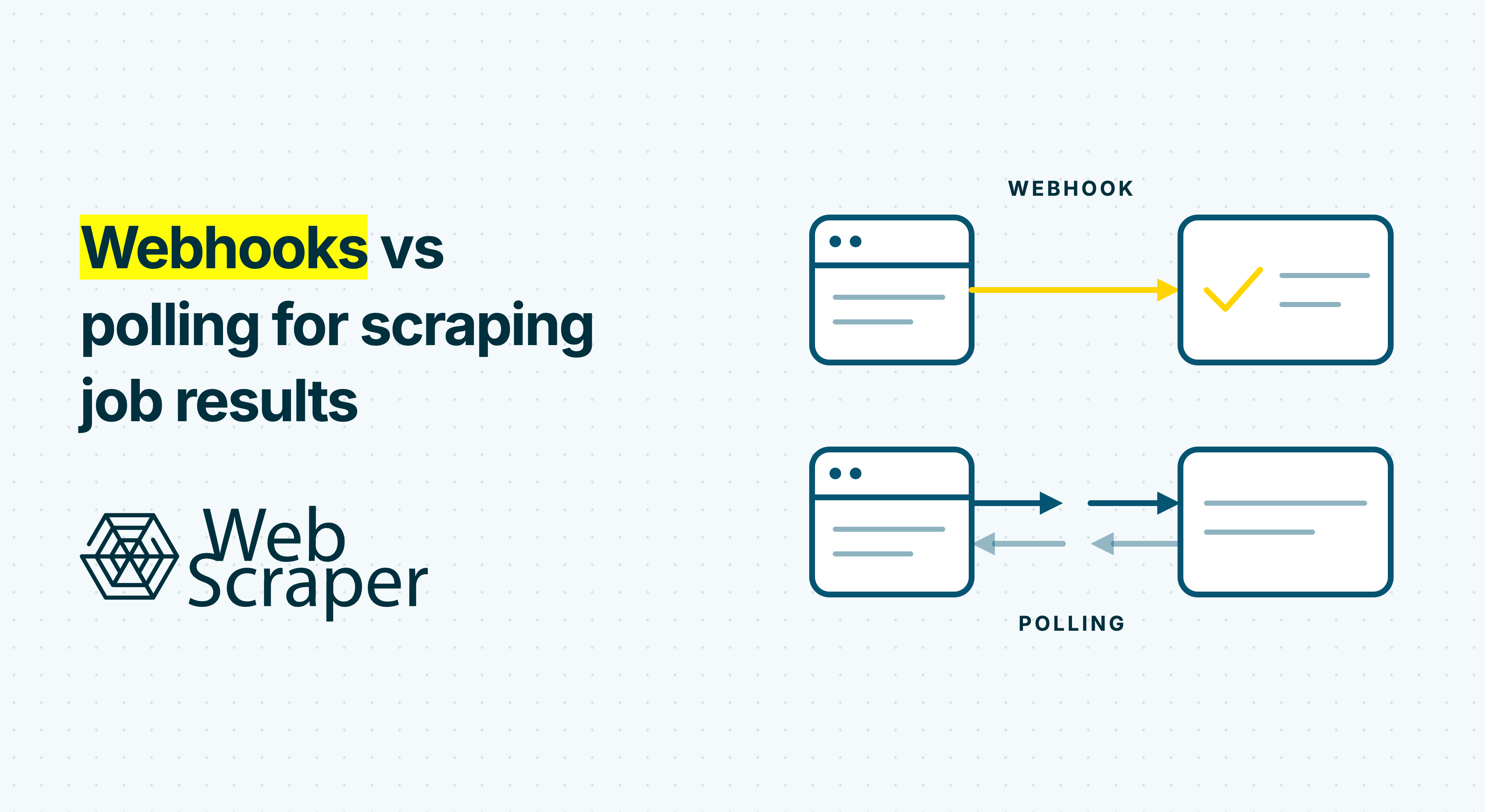
Webhooks usually beat polling for detecting when an asynchronous scraping job has finished: they reduce unnecessary API calls and notify your pipeline with less delay. Polling is still the simpler option for low-volume jobs, outbound-only networks or systems that cannot receive public HTTPS requests.

For recurring commercial datasets, the strongest design is often hybrid. Use a webhook as the fast completion trigger, process the result idempotently outside the request, and poll only to reconcile jobs whose notification may have been missed. Whichever pattern you choose, treat job completion and dataset acceptance as separate decisions.

Continue Reading

What data can you extract from a website?

September 11, 2026

data quality, no-code scraping, web scraping, dataset design
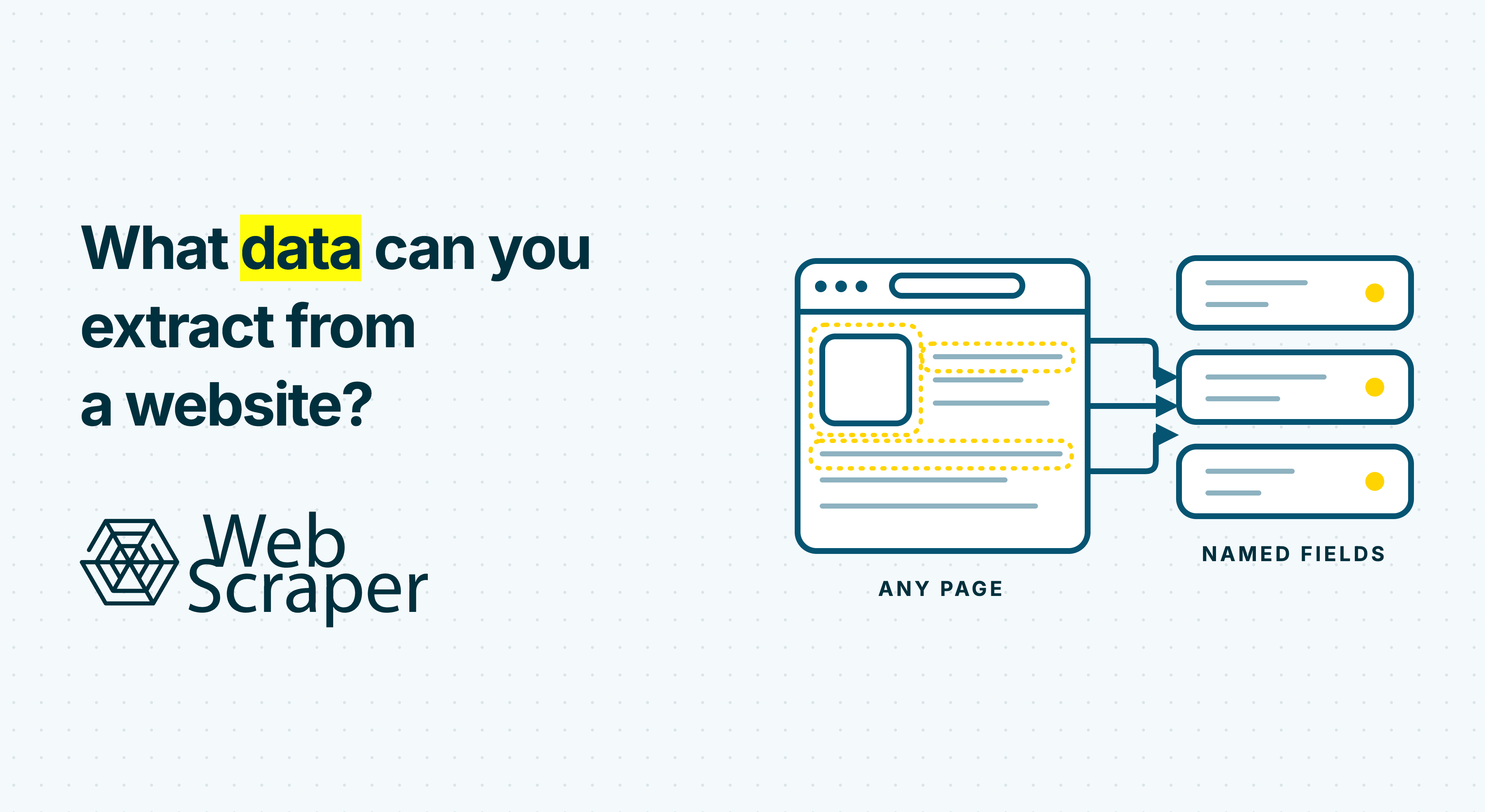
You can extract visible text and numbers, links, identifiers, media URLs, tables, repeated listings, HTML attributes, metadata, embedded structured data, browser responses and information revealed after interactions. The boundary is what the website delivers in a permitted, reachable page state.

The more useful question is what records you need and whether the website exposes every field required to build them accurately. A scraper can collect every visible price on a page and still produce the wrong dataset if it misses variants, mixes seller offers or omits the region and collection time.

Continue Reading

How to monitor online marketplaces

September 10, 2026

seller monitoring, marketplace data, web scraping

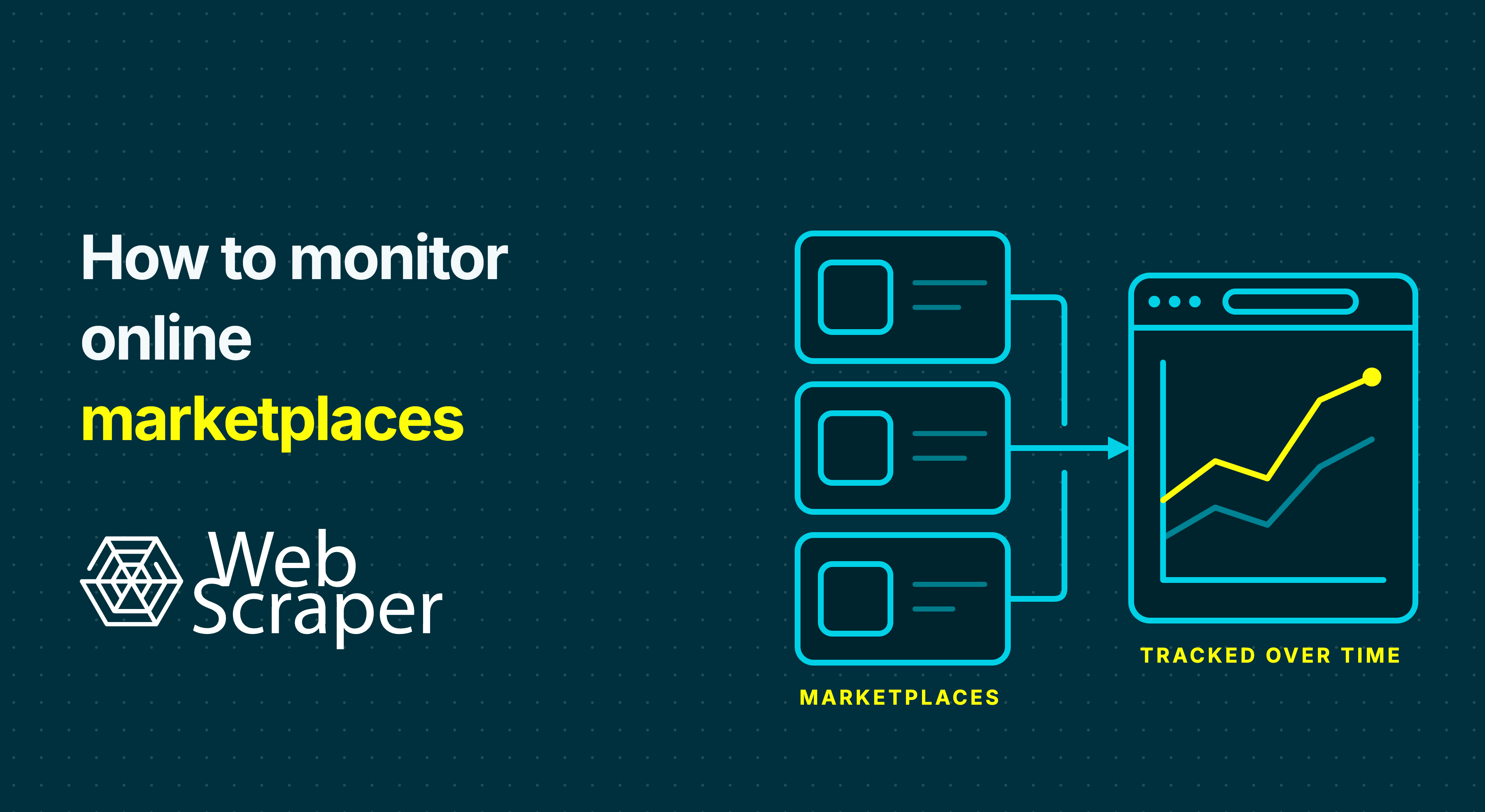
Online marketplace monitoring is not simply checking prices on a schedule. A useful system must repeatedly capture a comparable view of products, variants, offers and sellers, then distinguish genuine market changes from missing pages, extraction failures and normal catalogue movement.

This guide explains how to design that system, from scope and identity rules to collection, validation and business alerts.

A dependable workflow keeps discovery, collection, validation, comparison and action separate. A completed scraping job is not automatically a valid marketplace snapshot, a changed field is not automatically an actionable event, and a missing record is not automatically a removed listing.

Continue Reading

How to track competitor product launches automatically

September 08, 2026

e-commerce data, product launches, web scraping

Tracking competitor product launches reliably requires more than watching pages for visual changes. The practical method is to collect comparable catalogue snapshots, validate every run and compare stable product identities with accepted history.

A newly observed row is only a candidate. It becomes a useful launch signal after you rule out restocks, new variants, relisted products, regional introductions, catalogue backfills and collection errors.

Continue Reading

How to turn a website into data for an AI assistant

September 08, 2026

data pipelines, web scraping, web data, RAG

Turning a website into data for an AI assistant requires more than saving every page as text. You need to define what the assistant should answer, extract one clean and attributable record per page, validate the resulting dataset, and only then pass accepted content to chunking and indexing.

This guide applies that workflow to a public documentation website used by a support assistant. The goal is a current, traceable source dataset, not an end-to-end RAG platform.

Continue Reading

Best web scraping platforms compared

September 08, 2026

structured data, web scraping tools, web data, data automation

The best web scraping platform is the one whose operating model fits the dataset your team needs to maintain. For recurring structured data from accessible e-commerce sites, marketplaces, job boards, directories and real-estate pages, Web Scraper is the strongest overall choice in this comparison. It combines visual sitemap design and browser testing with managed Cloud execution, data-quality controls and capacity-based scaling.

That recommendation is not universal. Apify is stronger for developers who want packaged or custom cloud programs. Octoparse suits teams that prefer a desktop-first no-code application. Browse AI makes simple recorded monitoring approachable. Firecrawl is designed around developer and AI content APIs. Bright Data is compelling when a target-specific scraper API or extensive access infrastructure already matches the job.

Continue Reading

How to track new property listings automatically

September 07, 2026

automation, property listings, web scraping, change detection
The simplest way to track new property listings is to save a search on a property portal and enable its alerts. That is often enough for one person using one site. When you need to monitor several searches or websites, preserve history, apply custom rules or route listings into business systems, use recurring structured collection followed by a downstream comparison.

The important distinction is that a completed scrape is not a new-listing alert. A reliable workflow must collect the intended market, validate the run, compare stable listing identities with trusted prior state and notify people only after a genuinely new record has been accepted.

Continue Reading

How AI agents use web scraping and browser automation

September 07, 2026

data pipelines, browser automation, web scraping, web data, agent architecture

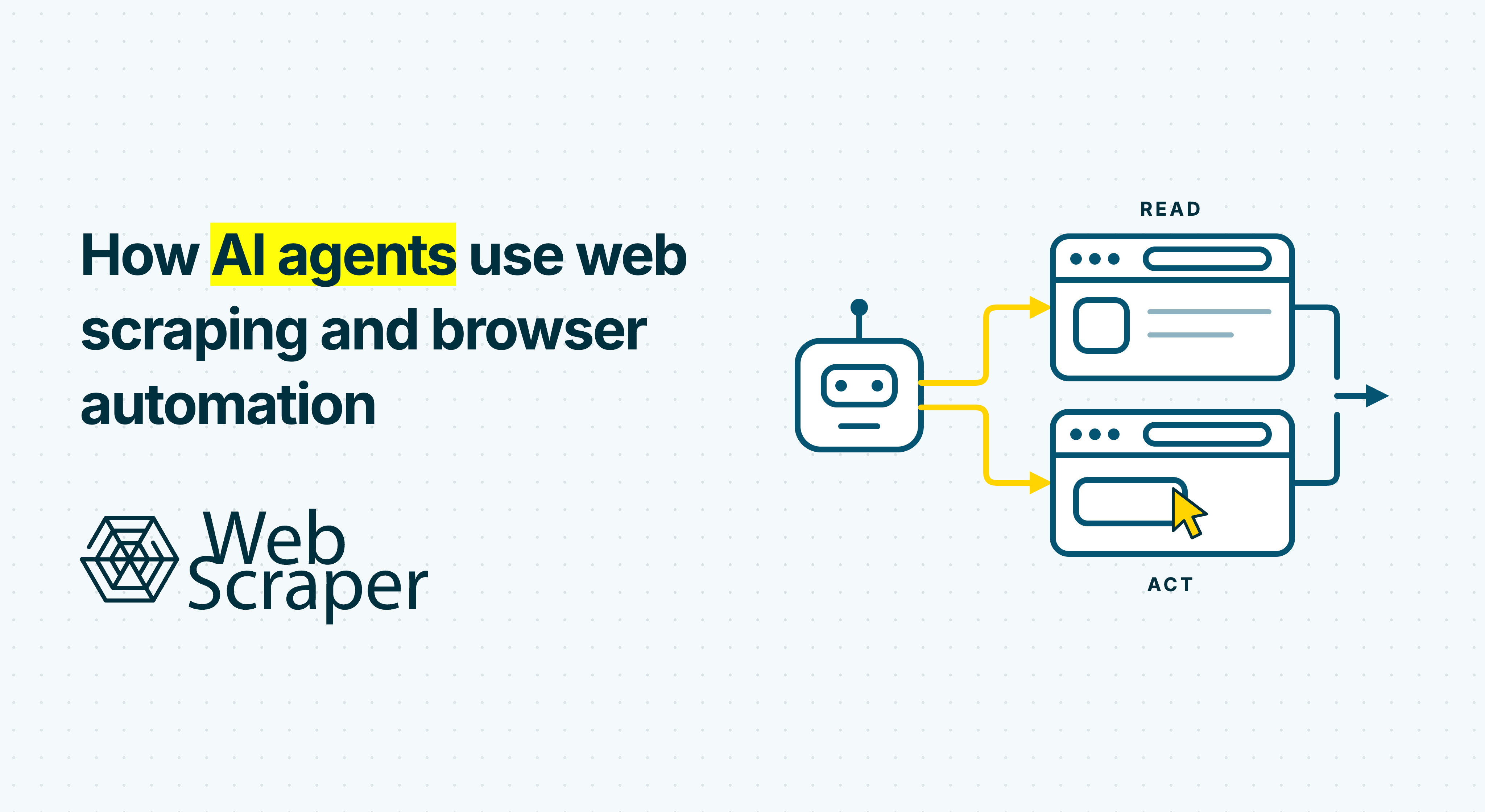
AI agents use web scraping to collect defined information from websites and browser automation to reach page states or perform interface actions. Treating both as one unrestricted “browse the web” tool hides important differences in repeatability, permissions and failure handling.

A dependable architecture routes uncertain discovery to the agent, repeated collection to a tested scraper, and state-changing or consequential work to a controlled browser workflow. That division makes web scraping for AI agents easier to validate, safer to operate and less dependent on repeated model decisions.

Continue Reading

How to Monitor MAP Violations With Web Scraping

September 07, 2026

price monitoring, e-commerce data, web scraping

To monitor minimum advertised price (MAP) violations with web scraping, collect seller- and variant-level advertised-price observations on a schedule, match them to the policy threshold that was effective at the observation time, and send only eligible below-threshold records for review.

The important word is review. A scraper can record what a page displayed. It cannot decide whether the product and seller were matched correctly, whether a coupon or basket price falls within your policy, or whether an observation is legally actionable. A reliable workflow keeps extraction, classification and confirmation separate.

Continue Reading

Production web scraping checklist before deployment

September 06, 2026

automation, data quality, monitoring, deployment

A prototype proves that a scraper can collect the right data under supervision. Production readiness means proving that it can run unattended, reject bad output, deliver an agreed dataset and recover without creating duplicates or silently publishing errors.

Use this production web scraping checklist as a release gate. If the scraper has no measurable acceptance criteria, named owner or tested recovery path, it is not ready to feed a business system, even if the latest manual run looked correct.

Continue Reading

Geo-targeted web scraping for reliable regional data

September 05, 2026

market research, proxy configuration, regional pricing

Geo-targeted web scraping collects a page as it appears in a defined country, region or market. The same URL can return different prices, products, stock, delivery options or even a different page structure because websites use several location signals, not just the visitor's IP address.

The real challenge is not obtaining an IP address in another country. It is proving that each scrape returned the intended market and that the resulting datasets remain comparable.

Continue Reading

Build a company list from public directories

September 04, 2026

entity resolution, company data, web scraping, lead generation

Public directories can provide the raw material for a company list, but downloading rows is only the beginning. A useful list needs defined coverage, a consistent schema, traceable sources, rules for resolving duplicate companies and locations, and a process for checking and refreshing the result.

This guide covers building an internal company dataset, not publishing an online directory. The aim is to turn records from several approved public sources into a list that sales operations, RevOps, market research, agency or data teams can explain and maintain.

Continue Reading